How to Use Controller UGGControMan: Simple Setup and Usage Tips
How to use controller UGGControMan can make your controller setup easier and help you enjoy a smoother gaming experience. Whether you are connecting a controller for the first time or trying to fix control issues, following the right steps can save time and reduce confusion.
From checking device compatibility to testing buttons and adjusting supported settings, a proper setup helps you get the most out of your controller. This guide covers simple setup instructions, practical usage tips, and common troubleshooting methods to help you get started confidently.
What Is Controller UGGControMan?
Controller UGGControMan is the name associated with this search topic, but its exact identity, official developer, supported platforms, and feature set are not independently established in this guide. Therefore, it is important to verify the specific application or device you intend to use before installing software or changing system settings.
Controller configuration tools help users connect compatible controllers to a computer or another supported device. Depending on the product, these tools may provide functions such as checking controller input, adjusting button assignments, managing connection settings, or configuring controls for compatible games.
A controller can be connected through USB, Bluetooth, or a supported wireless receiver. However, not every controller supports every connection method, and not every configuration utility works with every operating system. Checking compatibility first can save time and prevent unnecessary troubleshooting.
Read More: UploadBlog Document Upload: A Practical Guide for First-Time Users
Why Proper Controller Setup Matters
Correct controller configuration can make a noticeable difference in comfort and usability. When a controller is connected properly, the device and compatible application can recognize your inputs and respond as expected.
Incorrect settings may cause several problems. A button might perform the wrong action, a joystick may appear unresponsive, or a game might continue accepting keyboard input instead of controller input. Some problems result from the controller itself, while others involve software compatibility or the game’s own settings.
How to Use Controller UGGControMan: Getting Started
Before changing any settings, prepare your controller and the device you want to connect it to. A few basic checks can prevent connection errors and make the setup process easier.
First, confirm the controller’s model and connection options. Check whether it supports USB, Bluetooth, or a dedicated wireless receiver. If you are using a wireless controller, make sure its battery is charged.
Next, identify your operating system and the application you intend to use. Windows, macOS, Android, and gaming consoles can handle controllers differently. A configuration utility designed for one platform may not work on another.
Controller Setup Options at a Glance
Different connection methods offer different advantages. The following table summarizes common controller setup options and the situations in which they may be useful.
| Connection method | What you need | Main advantage | Possible limitation |
| USB cable | Compatible controller and data-capable cable | Simple connection and charging on supported devices | Cable length and port compatibility may matter |
| Bluetooth | Bluetooth-compatible controller and host device | Wireless operation without a dedicated cable | Pairing or interference issues may occur |
| Wireless receiver | Compatible controller and its supported receiver | Convenient wireless connection | Receiver compatibility is important |
| Built-in platform support | A supported controller and operating system | May work without additional configuration software | Some buttons or advanced features may be unavailable |
| Configuration utility | Compatible controller, host device, and verified software | May offer additional control settings | Features vary by application and controller |
Check Device and Software Compatibility

Compatibility should be your first priority when setting up a controller. Even a high-quality controller may not function correctly if the operating system, application, or game does not support it.
Start by checking the controller manufacturer’s specifications. Confirm the supported operating systems, connection methods, and any required drivers. If the manufacturer provides a compatibility list, use it to determine whether your equipment is supported.
If UGGControMan is an application, verify its system requirements before downloading it. Check whether it requires a particular operating system version, supporting software, or a specific controller model. Do not assume that every controller can be configured through the same utility.
Connect Your Controller
After confirming compatibility, connect the controller using a supported method.
Connecting Through USB
A USB connection is often the simplest starting point for a compatible computer. Connect the controller to an available USB port using a cable that supports data transfer. Some cables only provide power and charging. If your controller lights up but is not recognized, try a known data-capable cable. You can also test another USB port to rule out a connection issue.
Allow the operating system time to detect the controller. Depending on the hardware, it may install a driver automatically or display a notification indicating that the device is ready. Once connected, check whether the controller appears in your operating system’s device settings. If it does not, inspect the cable, port, and controller power before changing application settings.
Connecting Through Bluetooth
For a Bluetooth-compatible controller, turn on the controller and activate its pairing mode according to the manufacturer’s instructions. Open the Bluetooth settings on your computer or other host device. Enable Bluetooth if necessary, then search for available devices. Select the correct controller when it appears and complete any pairing prompts.
If the controller does not appear, make sure it is actually in pairing mode. A controller that is already connected to another device may need to be disconnected or placed back into pairing mode. After pairing, test the controller in a compatible application. Bluetooth pairing confirms that the devices can establish a connection, but it does not guarantee that every game or configuration utility supports the controller.
Connecting Through a Wireless Receiver
Some controllers use a dedicated wireless receiver rather than standard Bluetooth. If your controller includes such a receiver, follow the manufacturer’s pairing instructions. Insert the receiver into a compatible port, turn on the controller, and complete the pairing process if required.
Use only a receiver that is designed to work with your controller. Avoid assuming that a generic wireless receiver will work with every controller. Wireless protocols and pairing systems can differ between products.
Install and Open UGGControMan Safely
If UGGControMan is a software utility you intend to use, verify its identity and download source before installing it. Look for documentation from the developer or hardware manufacturer that confirms the software’s purpose and compatibility.
Do not download an application merely because a third-party page uses the same name. Unverified installers may contain unwanted software or may not provide the features they advertise.
After verifying the source, review the system requirements and installation instructions. Download the version intended for your operating system and follow the supplied steps. Read any permission prompts carefully, particularly requests for administrator access.
Check the Controller Inputs
Once the controller is connected and recognized, test its inputs before adjusting anything. Start with the main buttons. Press each button individually and observe whether the connected application or an available controller-testing utility registers the input.
Next, test the directional pad, analog sticks, triggers, and shoulder buttons. Move each analog stick slowly in different directions. Confirm that movement registers smoothly and that the stick returns toward its resting position when released.
If a button does not respond, check whether the application supports it. Some controllers contain additional buttons or functions that may not be available in every program.
You should also check for unintended inputs. For example, if an analog stick appears to move even when you are not touching it, the controller may need calibration, the game may require a dead-zone adjustment, or the hardware may have a fault.
Configure Your Control Settings
Controller settings can affect comfort, accuracy, and responsiveness. The available options depend on the controller, operating system, configuration utility, and game.
Button Mapping
Button mapping determines which action is assigned to a particular button. Some applications allow users to customize these assignments, while others use fixed controls or provide customization within the game itself. If button mapping is available, start with the default layout. Test the controls before making changes so you can identify which assignments are inconvenient or incorrect.
Change only the buttons you need to change. After each adjustment, test the controller again. This makes it easier to identify whether a particular change improved the experience or created another problem. If your configuration tool does not provide button mapping, check the game’s control settings instead. Do not assume that UGGControMan supports remapping unless its documentation confirms that feature.
Analog Stick Sensitivity
Sensitivity determines how strongly movement responds to stick input in applications that provide this option. Higher sensitivity may produce faster movement from a small stick movement, while lower sensitivity can offer more gradual control. The best setting depends on the game and your preferences.
Begin with the default setting and make small changes. Test the result in the actual application rather than relying entirely on a settings screen. Sensitivity and dead-zone settings are different. Sensitivity affects the relationship between input and response, while the dead zone defines a range of stick movement that may be ignored.
Dead-Zone Settings
A dead zone can help prevent unwanted movement caused by small joystick inputs. A larger dead zone may reduce unintended movement, but it can also make the controller feel less responsive. If your game or configuration software supports dead-zone adjustments, start with the recommended default.
Increase the setting gradually only if you notice unwanted stick movement. Avoid setting the dead zone unnecessarily high. Excessive dead-zone settings can make precise movements harder to perform.
Vibration and Additional Features
Some controllers support vibration, motion functions, or other additional features. Whether these options are available depends on the controller and the application. If vibration is supported and can be configured, adjust it according to your comfort. If a feature does not work, check whether the controller, operating system, and game all support it. Keep your settings simple at first. Once the main controls work correctly, you can experiment with supported additional features.
Save Your Settings and Test Them
After configuring the available options, check whether your software or game saves changes automatically. Some applications apply settings immediately, while others require confirmation or a profile-saving action. If profile management is supported, save a configuration with a clear name that identifies its purpose. For example, you might use separate profiles for different games if the software allows it.
Do not assume that UGGControMan has a profile system unless you can confirm that feature in its documentation. After saving your settings, close and reopen the game or application if necessary. Test the controller again to confirm that your changes remain in place.
Pay attention to button responses, joystick movement, triggers, and any additional features you adjusted. If a setting causes a problem, return to the previous value or restore the default configuration. Making one change at a time is generally more effective than adjusting every setting simultaneously. It helps you understand what each option does and makes troubleshooting easier.
Use the Controller in Your Preferred Game
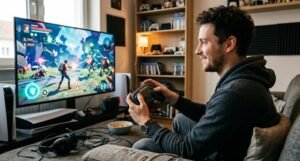
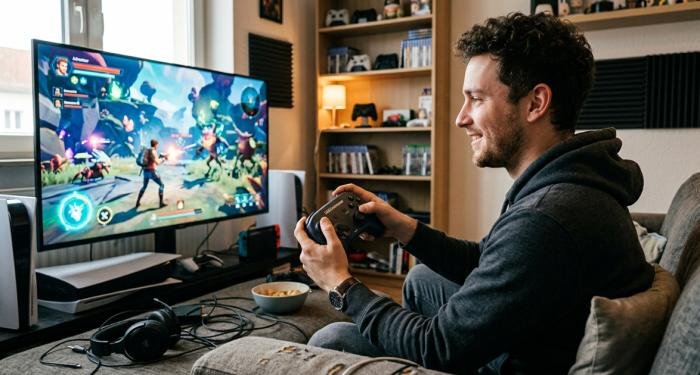
Once the controller is connected and configured, open a compatible game or application. Check its control settings to confirm that controller input is enabled. Some games automatically switch between keyboard, mouse, and controller input. Others may require you to select a preferred input device.
Test the controls in a safe or low-pressure part of the game before starting a competitive match or a demanding task. Move your character or cursor, use the primary action buttons, test the triggers, and verify any special functions you need. If the controls behave differently from your configuration, inspect the game’s settings before making further changes to the controller.
Remember that some games use their own button assignments and sensitivity settings. A controller that works correctly in one game may require separate adjustments in another.
Common Controller Problems and Their Solutions
Even a correctly configured controller can experience occasional problems. The following checks can help you identify common causes.
The Controller Is Not Detected
If the controller does not appear on your device, check whether it is powered on and properly connected. For a wired controller, try another USB port and a known data-capable cable. For a wireless controller, check its battery and pairing status. Restarting the game or reconnecting the controller may help. If the device still does not appear, consult the manufacturer’s driver and compatibility instructions.
The Controller Connects but Does Not Work in a Game
A successful connection does not guarantee that a game supports the controller. Check whether controller input is enabled in the game’s settings. Confirm that the game supports your controller model and connection method. If the controller works in other compatible applications, concentrate on the game’s configuration and compatibility requirements.
Buttons Perform the Wrong Actions
Unexpected button behavior may result from custom mappings, game-specific controls, or conflicting input settings. Return to the default layout and test the buttons again. If the problem disappears, reapply custom assignments one at a time. Also check whether more than one configuration tool is modifying the same controller. Multiple remapping utilities can sometimes interfere with one another.
The Analog Stick Moves Without Being Touched
Unwanted stick movement may result from joystick drift, calibration issues, or an unsuitable dead-zone setting. Test the controller in another application. If the problem occurs across multiple applications, inspect the controller for damage and consult the manufacturer’s maintenance guidance. If a supported dead-zone adjustment is available, make a small change and test again. Avoid using a large dead zone to conceal a serious hardware problem.
The Wireless Connection Keeps Disconnecting
Wireless interruptions may result from low battery power, interference, excessive distance, or an unstable connection. Charge the controller, move closer to the host device, and temporarily remove obstacles where practical. If the controller uses a receiver, follow the manufacturer’s recommendations for receiver placement. If disconnections continue, check for known compatibility issues or firmware guidance from the manufacturer.
UGGControMan Does Not Recognize the Controller
If the software cannot detect the controller, first confirm that the operating system recognizes it.
Next, check whether the exact controller model and operating system are supported. Review the application’s documentation for any required permissions or supported connection methods.
Avoid installing unofficial drivers or disabling security protections to force recognition. If the utility is unverified or unsupported, use a trusted alternative that is compatible with your controller.
Practical Tips for Better Controller Performance
Keep the controller charged: Low battery power can interrupt wireless connections or affect operation on some devices. Charge it according to the manufacturer’s instructions.
Use suitable cables and accessories: A damaged cable or incompatible receiver can create connection problems. Choose accessories that meet the controller’s specifications.
Keep software current: Install operating system updates, controller drivers, and firmware updates only through trusted sources and when they are appropriate for your hardware.
Avoid unnecessary configuration changes: Start with the default settings and adjust only the options that need improvement. This makes it easier to maintain a stable setup.
Test controls regularly: If a button becomes unreliable or a joystick behaves unexpectedly, test it before changing several settings.
Keep your controller clean: Follow the manufacturer’s cleaning instructions and avoid allowing liquids to enter the device. Do not disassemble the controller unless you understand the risks and have appropriate guidance.
Use trusted software: Verify the source of any utility before installation. Avoid programs that request unrelated permissions or promise features that cannot be confirmed.
Keep track of working settings: If you make several successful adjustments, record them or save a profile when the software supports it. This can make future setup easier.
Conclusion
Getting started with controller UGGControMan is easier when you focus on compatibility, proper connection, and correct control settings. Always verify the software and your controller’s supported features before making changes, and test each adjustment to ensure everything works as expected.
If you encounter problems, check the connection, review the application settings, and consult the manufacturer’s guidance when necessary. By following these practical tips, you can create a more comfortable and reliable controller setup for your compatible games and applications.
FAQs
Q: What is UGGControMan used for?
Ans: The exact purpose and features of UGGControMan have not been independently confirmed in this guide. The search phrase relates to controller setup and usage. If you are referring to a specific application or product, check its official documentation to verify its intended functions and supported devices before using it.
Q: How to use controller UGGControMan for the first time?
Ans: Start by identifying your controller model and checking compatibility with your operating system and intended application. Connect the controller using a supported method, verify that the system recognizes it, and consult the official UGGControMan instructions if you have verified the software’s identity. Test the buttons before changing settings.
Q: Can I connect a controller without a USB cable?
Ans: Yes, if your controller and host device support Bluetooth or a compatible wireless receiver. Follow the manufacturer’s pairing instructions and confirm that the controller is recognized by the operating system or application. Not every controller supports wireless connections.
Q: Why is my controller not working after connecting it?
Ans: The problem may involve the cable, battery, drivers, operating system compatibility, or game settings. Check whether the device is recognized by the operating system first. If it is detected but does not work in a particular game, verify that the game supports the controller and that controller input is enabled.
Q: Does UGGControMan support every controller?
Ans: Universal compatibility cannot be confirmed. Controller support depends on the actual software, device model, operating system, and available drivers. Check the official compatibility information before installing the application or expecting a particular feature to work.
Q: How can I fix incorrect button mapping?
Ans: Check the button assignments in your game’s settings or in a verified configuration utility that supports your controller. Restore the default layout if necessary, then make changes one at a time. Test each adjustment before applying additional changes.
Q: What should I do if my controller has joystick drift?
Ans: Test the controller in another compatible application to determine whether the issue occurs consistently. If a supported calibration or dead-zone setting is available, adjust it gradually. If the joystick continues moving without input, consult the manufacturer’s repair or warranty guidance.