
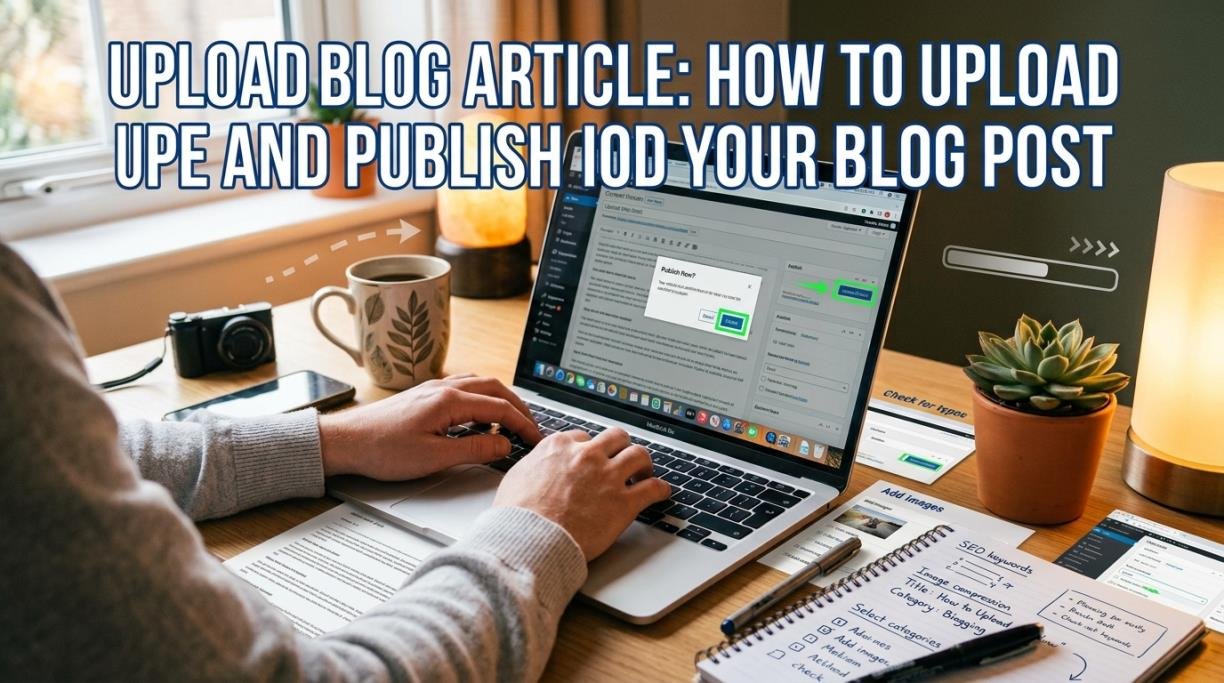
Uploadblog Article: How to Upload and Publish Your Blog Post
Publishing a blog post sounds simple, but small mistakes can make the process frustrating. A poorly formatted article, broken link, missing image, unclear heading, or incorrect publishing setting can affect both reader experience and content quality. The good news is that you can avoid most of these problems with a simple, repeatable publishing process.
Uploadblog article should be more than text placed online—it should be accurate, organized, readable, and ready for real users. This guide explains how to prepare your content, upload it correctly, format each section, check important SEO elements, preview the page, publish confidently, and maintain the article after it goes live.
Read more: Uploadblog.com Page Explained: Features, Uses, and Benefits
What Is an Uploadblog Article?
An uploadblog article is a blog post prepared and uploaded to a website or content-management system for publication. The exact process may vary depending on the platform.
A typical publishing workflow is: Write → Edit → Format → Upload → Review → Optimize → Preview → Publish
Uploading and publishing are not always the same. Uploading adds content to the website’s editing system, while publishing makes the finished article available to readers. Many content-management systems also allow writers to save drafts, preview content, make corrections, and publish when ready.
Who Can Benefit From Publishing Blog Articles?
A structured publishing process can help:
- New bloggers
- Website owners
- Freelance writers
- Businesses
- Content teams
- Educational websites
- Publishers
- Digital marketers
Whether you publish occasionally or manage many articles, following a consistent process can improve content quality, readability, and publishing accuracy.
What Should You Prepare Before Uploading a Blog Article?
The easiest way to avoid publishing problems is to complete most of the preparation before opening the publishing editor.
Finalize the Article
Read the entire article from the perspective of someone who has never seen the topic before. Check whether:
- The introduction explains the subject clearly.
- Each section supports the main topic.
- Facts are accurate.
- Repeated points have been removed.
- Grammar and spelling are correct.
- Examples are relevant.
- The conclusion gives the reader a useful takeaway.
Choose an Accurate Title
A good title tells readers what the page is actually about.
For this article, the title is: Uploadblog Article: How to Upload and Publish Your Blog Post
The title contains the focus phrase naturally while also explaining the benefit of the page. Avoid titles that promise something the article does not deliver. Search-friendly writing starts with accurate communication, not exaggerated wording.
Prepare Images
If images improve the article, prepare them before publication.
Consider:
- Whether each image is relevant
- Whether you have permission to use it
- Whether the file is unnecessarily large
- Whether it displays correctly
- Whether alternative text is appropriate
- Whether the image adds information rather than decoration
Check Your Links
Before publishing, click important links yourself. Check:
- Internal links
- External references
- Download links
- Navigation links
- Calls to action
How to Upload a Blog Article Step by Step
The exact buttons vary by blogging platform, but the basic upload and publishing process is usually similar.
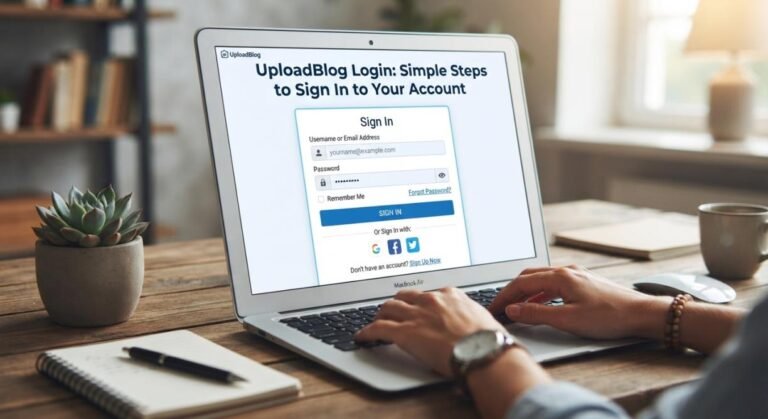
Step 1: Sign In to Your Blogging Platform: Access your website’s authorized dashboard or content-management system. Use a secure account and never include passwords or private credentials in your article.
Step 2: Open the New Post Editor: Choose an option such as New Post, Add Post, or Create Article. The exact option depends on your CMS.
Step 3: Add the Article Title: Enter a clear and accurate title that represents the content. Avoid unnecessary keyword repetition or misleading wording.
Step 4: Add the Article Content: Write or paste your article into the main editor. After adding the content, check for unwanted formatting, spacing, broken lists, incorrect links, or missing paragraphs.
Step 5: Format the Headings: Organize the article using a logical heading structure:
- H1: Main article title
- H2: Major sections
- H3: Subsections
- H4: Supporting points
Use headings to organize information rather than simply changing the text size. Meaningful headings also improve page navigation and accessibility.
Step 6: Add Images and Media: Upload relevant images and place them near the content they support. Use appropriate alternative text when necessary, and avoid adding keywords unnecessarily to image descriptions.
Step 7: Select Categories and Tags: Use relevant categories to organize your content. Add tags only when they provide genuine value for navigation. Avoid creating unnecessary or duplicate tags.
Step 8: Create a Readable URL: Use a short, relevant URL that clearly relates to the article.
Step 9: Add Search Metadata: If your CMS provides SEO fields, add an accurate SEO title and meta description. Google may use the page content instead of your provided description when generating a search snippet.
Suggested meta description:
Uploadblog article tips on how to upload, format, and publish a blog post successfully while avoiding common mistakes and improving content quality.
Step 10: Save the Article as a Draft: Save the article as a draft before publishing. This gives you time to check the content, formatting, images, links, and SEO settings.
Step 11: Preview the Page: Preview the article on desktop and mobile when possible. Check:
- Headings
- Paragraph spacing
- Images
- Links
- Lists
- Tables
- Mobile layout
- Embedded content
Step 12: Publish the Article: After completing the final review, publish the article. Before confirming, check the visibility, category, publication date, URL, and other relevant settings.
How to Format a Blog Article for Better Readability
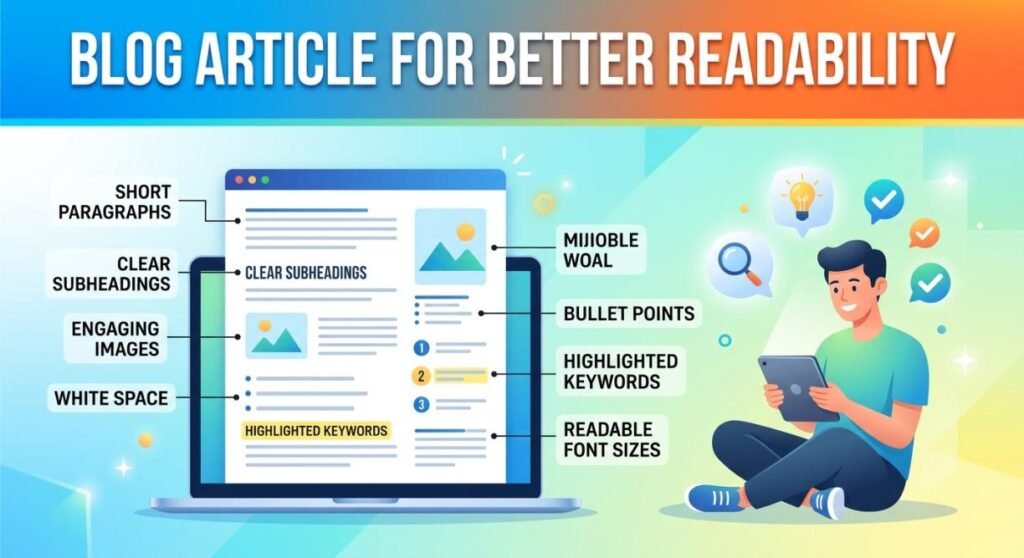
A well-written article can still be difficult to read if the page is poorly formatted.
Use Short, Focused Paragraphs
Online readers often scan before deciding which sections deserve closer attention. Break large blocks of text into smaller paragraphs when doing so improves comprehension.
Use Descriptive Headings
A heading should tell the reader what the next section covers.
For example: “How to Upload a Blog Article Step by Step” is more useful than a vague heading such as “Process.”
Use Lists When They Make Information Easier to Scan
Lists work particularly well for:
- Instructions
- Requirements
- Checklists
- Examples
- Features
- Mistakes to avoid
Do not turn every paragraph into a bullet list. Use lists where they improve clarity.
Use Tables Selectively
Tables are useful for comparing information that naturally fits into rows and columns.
For example:
| Publishing Stage | What to Check |
| Writing | Accuracy, originality, completeness |
| Formatting | Headings, paragraphs, images, lists |
| SEO | Title, URL, description, internal links |
| Review | Facts, links, mobile appearance |
| Publication | Visibility, date, final settings |
| After publishing | Live page, links, updates, performance |
Make the Page Mobile-Friendly
Many visitors access websites on phones and tablets.
Check whether:
- Text remains readable.
- Images resize properly.
- Tables fit the screen.
- Buttons are usable.
- Links are easy to tap.
- No unwanted horizontal scrolling occurs.
How to Make an Uploadblog Article SEO-Friendly
SEO should support the reader rather than control the writing.
Use the Focus Keyword Naturally
Uploadblog article” should appear where it makes sense, such as the title, introduction, and relevant parts of the body. There is no reason to force the phrase into every heading or paragraph.
Keyword stuffing can make writing awkward and reduce its usefulness. Google’s people-first guidance favors content created to serve users rather than content produced primarily for search-engine manipulation.
Include Related Terms Naturally
Depending on the article’s scope, related terminology may include:
- Blog article
- Blog post
- Article upload
- Publish blog post
- Blog publishing
- Article formatting
- Content publishing
- Blog editor
- SEO-friendly article
- Publishing checklist
Create Helpful Internal Links
Internal links can help visitors move between related pages.
For example: a website about blogging might connect this article to pages about:
- Blog writing
- Content editing
- SEO basics
- Website management
- Image optimization
- Content strategy
Reference Reliable Sources
When an article contains factual claims, use sources appropriate to the subject. Good choices can include:
- Official government websites
- Universities
- Standards organizations
- Official software documentation
- Professional organizations
- Reputable publications
How to Improve E-E-A-T When Publishing Blog Articles
E-E-A-T refers to Experience, Expertise, Authoritativeness, and Trustworthiness. It is better demonstrated through the quality and transparency of content than through simply adding those words to a page.
Show Who Wrote the Article
Where appropriate, include an author name and an author page or biography explaining relevant experience. Readers should be able to understand who created the information and why that person is qualified to discuss the subject.
Use First-Hand Experience Honestly
If you personally tested a publishing workflow, explain what you actually tested. Do not claim:
- You used a tool when you did not.
- You tested a feature that you did not test.
- You achieved a result that you cannot substantiate.
Verify Important Claims
If you state that a platform has a particular feature, confirm it using current official documentation. This is especially important for software because interfaces and features can change.
Keep Information Current
A publishing tutorial can become outdated when a CMS changes its editor, settings, or workflow. Review the article periodically and update information when there has been a meaningful change.
Do not change an article’s date merely to make an old page appear fresh. Google specifically cautions against changing dates without substantial updates.
Be Transparent About Sponsored Content
If a blog article includes paid recommendations, affiliate relationships, free products, or another material connection with a brand, appropriate disclosure may be required depending on the jurisdiction and circumstances.
The U.S. Federal Trade Commission advises that material connections should be disclosed clearly and conspicuously and that creators should not make claims about products they have not actually experienced or claims that lack adequate support.
Common Mistakes When Uploading a Blog Article
Even a good article can lose quality through simple publishing mistakes.
Publishing Without Proofreading: Small spelling, punctuation, or factual errors can reduce credibility.
Using Headings Only for Visual Size: Heading levels should communicate structure. Use styling tools for appearance rather than misusing heading levels.
Uploading Irrelevant Images: An image should support the reader’s understanding or experience.
Forgetting to Test Links: A broken link can prevent readers from reaching useful information.
Ignoring Mobile Formatting: Always check how the article behaves on smaller screens.
Repeating the Focus Keyword Too Often: A keyword should sound natural in context. Repetition for its own sake does not improve the article.
Using Misleading Titles: A title should accurately describe the content that follows.
Publishing Unsupported Claims: If a statement involves facts, statistics, health information, legal requirements, financial matters, or technical specifications, verify it against an appropriate source.
Leaving Placeholder Content: Search carefully for unfinished phrases such as:
- “Add image here”
- “Insert link”
- “Write more later”
- “Example text”
- “TODO”
Skipping the Preview: The preview stage can reveal problems that are not obvious in the editor.
Uploadblog Article Pre-Publishing Checklist
Before pressing Publish, review the following:
Content:
- Article is complete.
- Facts have been checked.
- Grammar and spelling have been reviewed.
- Repetition has been removed.
- The introduction matches the search intent.
- The conclusion provides a useful takeaway.
Formatting:
- One clear H1 is used for the article title.
- H2 and H3 headings follow a logical structure.
- Paragraphs are readable.
- Lists are properly formatted.
- Images appear correctly.
- The table, if used, displays properly.
SEO:
- The focus keyword appears naturally.
- Title accurately describes the page.
- Meta description summarizes the content.
- URL is readable.
- Internal links are relevant.
- External references are trustworthy.
Technical:
- The page has been previewed.
- Mobile display has been checked.
- Important links work.
- Images load correctly.
- Placeholder text has been removed.
- Correct publication status has been selected.
What to Check After Publishing a Blog Article
The publishing process does not end when the page becomes public.
Confirm the Live URL
Open the published page yourself. Check that the URL loads correctly and that the article is visible to the intended audience.
Review the Live Page
Look at the page as a visitor would see it. Confirm:
- Title
- Headings
- Images
- Links
- Lists
- Table
- Spacing
- Mobile presentation
Share the Article With the Right Audience
Depending on your website, appropriate channels may include a newsletter, social media, community channels, or relevant internal website pages.Do not use misleading promotional messages simply to increase clicks.
Monitor Performance
Useful measurements can include:
- Search impressions
- Search clicks
- Search queries
- Referral traffic
- Engagement
- Conversions, where relevant
The purpose of measurement should be to identify ways to make the content more useful, not simply to chase a particular ranking.
Update the Article When Necessary
Review the page when information changes.
For example: update it if:
- A platform changes its publishing interface.
- A linked resource disappears.
- An important instruction becomes outdated.
- A factual claim is no longer accurate.
- New authoritative information materially changes the subject.
Uploading vs. Publishing a Blog Article: What’s the Difference?
Uploading places content into the website’s content system, while publishing makes the finished content publicly available or available according to the site’s chosen visibility settings. This distinction is important because a responsible publishing workflow leaves time between those two stages for quality checks.
An author can upload an article, save it as a draft, inspect the formatting, verify sources, correct mistakes, preview the page, and only then publish it. That extra review stage can prevent avoidable problems from reaching readers.
Final Thoughts on Uploadblog Article Publishing
Publishing an article without a final review can leave readers facing errors, broken links, poor formatting, or outdated information. A simple publishing routine solves these problems by combining careful editing, proper formatting, SEO checks, fact verification, and a final preview before going live.
Uploadblog article should ultimately serve a clear purpose: giving readers accurate, useful, and easy-to-follow information. By following the steps in this guide, you can upload and publish your blog posts with greater confidence while creating content that remains valuable beyond the day it is published.
Frequently Asked Questions (FAQs)
Q1: What is an uploadblog article?
Ans: An uploadblog article is content prepared and uploaded to a website or content management system for publication.
Q2: How do I upload a blog article?
Ans: Sign in, open the post editor, add content, format it, check settings, preview the page, and publish.
Q3: What should I check before publishing a blog post?
Ans: Check accuracy, grammar, headings, links, images, URL, metadata, mobile display, formatting, and unfinished content before publishing.
Q4: Can I edit a blog article after publishing it?
Ans: Yes, most blogging platforms allow published articles to be edited, updated, and reviewed again after making changes.
Q5: What is the difference between uploading and publishing a blog post?
Ans: Uploading adds content to the website system, while publishing makes the completed article publicly available to readers.
Q6: How should I format a blog article before uploading it?
Ans: Use clear headings, short paragraphs, relevant images, useful lists, descriptive links, and consistent formatting throughout the article.



3 Comments